Sunday, October 4, 2009

Lack of Dental Insurance Drives Tourism


by Adam Lindheim

According to the American government close to 100 million Americans currently do not have dental insurance which is about half the U.S. population. Medicare does not cover dental procedures, even though your teeth are just as important as many other organs in your body. Even those who do have dental insurance are not covered very well. The majority of dental policies have a $1,500 dollar annual cap, which can be capped out after a complicated procedure such a root canal or a crown. Many U.S. citizens can not afford these very expensive procedures especially, those families and individuals who have lower fixed incomes. People have been, and more frequently as of late have sought dental coverage over seas.

For years dental tourism has been a thriving field for medical tourism, as many Americans and Europeans try to find affordable dental care. Areas that are popular for dental tourism are Budapest, Prague, Tijuana, and Bangkok. In a 2008 survey conducted by the non profit Healthcare Tourism International Foundation found that dental services were the most common procedures sought out by medical travelers. The price differentiation is staggering. Teeth caps cost $750-$1000 dollars in the U.S. while they cost $150 dollars In Mexico. Last February Fox News radio reporter Lori Lundina blogged about her husbands experience of recieving dental work in El Salvador. He needed "full mouth reconstruction", and was told it would cost him $60,000 dollars in the U.S. He then searched for a second opinion and was found that he could recieve the same procedure for $19,000 dollars in El Salvador. After he recieved the operation Lundin said her and her husband were "more than pleased" with how the operation turned out. Lundin even said that the level of care was superior to the care given in the U.S. The U.S. government with its new healthcare reforms are trying to adress this issue.

Senate Finance Committee Chairman Max Baucus a democrat from Montana recently unveiled his much anticipated plan to change the country's healthcare system. He told reporters that it incorparated mant of the same ideas as President Obama's plan. All avaiable healthcare plans would include dental care, and no limit on the amount of benefits a policy holder can recieve.

Many critics would argue that the dentist overseas would not be as well trained as those avaible in the U.S. According to Dr. Stewart Hirsch New York University Associate Dean of Collefe Dentisry said "there is no reason to assume the quality care is any lower overseas. The only issue with reciving dental care overseas is there is little protection to patients if something is to go wrong. The best advice Dr. Hirsch can give is if you are to find a dentist overseas, then find your dentist like you would in the U.S., find them through referals.

Source 1

Source 2


Source 3

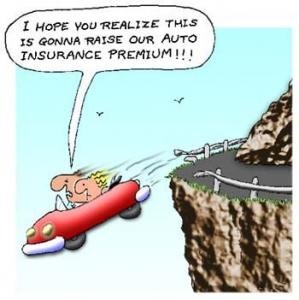
Time to find better auto insurance


By Minjune Kim


Automotive Insurance is a vital part of our lives and we are required to have it to drive a car in the United States. Knowing how your rates are calculated is an important thing to know about so that you.

AUSTIN – Drivers in the Dallas area have seen their insurance rates jump by double digits from a year ago, while homeowners have seen a more modest increase of around 5 percent, according to new rate figures compiled by the Texas Department of Insurance. The figures, based on mandatory rate filings by the top 25 insurer groups in Texas, showed that the cost of liability coverage for drivers jumped more than 10 percent in most parts of Dallas County and surrounding areas. Liability coverage makes up about half the premium for a typical auto policy.


Finding the cheapest insurance will take a bit of effort on your part though, but will be well worth it in the end. When you are searching for affordable automotive insurance available in your area, you will have to check around and do a comparison of many companies against one another. Before agreeing to any one policy, always utilize the internet to compare even further.Requesting quotes from each agency will give you more details on who is the best for your situation. You will want to decide on the company that will give you the best premium rate and that has the best coverage for that price. Comparing auto insurance quotes side by side can give you the information you need as you can see them right there next to each other in black and white.
Keeping your vehicle in excellent shape and performing all maintenance in a timely manner will help to ensure that you keep your insurance rates more affordable. Keeping your car in tip-top shape will help you to avoid unnecessary accidents. The insurance companies assume that a well taken care of vehicle will result in fewer claims made against the insurance, which can help your premium to be reduced.
Speaking with your insurance agent about available discounts can also help to reduce your premium amount. There could be things you could do easily that would lower your insurance rates. Asking them is the best way of finding out for sure.


Source 1

Source 2

Source 3

Obama Insists Insurance Will Be Affordable


Posted by Pete Hill

WASHINGTON — President Obama on Sunday pushed back against the argument from liberal Democrats that the leading health care bill in the Senate would place a new financial burden on the middle class, saying in a series of television appearances that insurance would be made affordable through a competitive exchange and subsidies.

As the Senate Finance Committee prepares to take up the legislation this week, the White House is trying to hold together fractious Democrats, particularly those who believe that the plan is not generous enough for people required to buy insurance. Mr. Obama argued that the proposal was not a bad deal for the middle class and that it could not be called a tax hike.
“Right now, everybody in America, just about, has to get auto insurance,” Mr. Obama said on “This Week with George Stephanopoulos” on ABC. “Nobody considers that a tax increase.”

Click Here to Read More

Virgin Money to sell car insurance


Written by Patrick Stafford
Posted by Minjune Kim


Virgin Money's car insurance products are expected to be underwritten by Auto & General Insurance Company, one of the largest South African insurers that is looking to expand Australian operations.
While Virgin Money entered Australia five years ago when it broke a deal with Westpac for a discount credit card, the contract ended 12 months ago with the bank taking on 750,000 customers after paying a $39 million fee.
But now Virgin is set to re-enter the market with the new Citibank deal, with the first credit card due for introduction next July along with online retail savings and deposit accounts due over the coming months.
It is expected that Virgin will provide the majority of the branding and marketing while Citibank will deal with the complex banking infrastructure, a similar structure to Branson's other endeavours.
Matt Baxby, managing director of Virgin Money Australia, said in a statement: "This agreement, with its comprehensive range of banking product, is a first for the market. The partnership with global banking leader Citibank represents a new focus and direction for the Virgin Money brand in Australia, and will provide Australian consumers with increased choice."
Virgin Money's new products come after his opinion piece in a British newspaper that stated the banking sector must see new competition in order to avoid another financial crisis.
"We must ensure that we prevent such a crisis again - but we must also bring back competition if we want the consumer and small businesses to be protected," he said. The announcement comes as Branson told reporters in Brisbane that he might have delayed V Australia's launch if he knew the global financial crisis would occur.
"If we knew the world would have plunged into recession when it did, would we have done it at that time? I don't know - we might have done. We may have delayed it a year."Branson was in Brisbane to celebrate Virgin Blue's ninth birthday, despite the company recording a net loss of $160 million for the 12 months ending 30 June, from a net profit of $90 million in 2008.

Click here to read more

Benefits to Having Whole Life Insurance


Posted by Lindsey Connell


There are many benefits of having and keeping whole life insurance. If a family member passes away and had life insurance, then they wouldn’t have to worry about providing money to their family because they were insured. Also, there is a disability waiver that can pay insurance premiums in case of total disability. Next, some whole life insurance policies give access to death benefit values in the case of living with a chronic or terminal illness. The benefits and values of whole life insurance are also protected in many states from creditors and lawsuits which allows for the owner of the insurance to have peace of mind in knowing that there will be no legal complications. Additionally, the insurance allows other forms of capital and has the potential for tax beneficial income later in life. It may also provide an income tax-free death benefit far in excess of the premiums paid. It appears that whole life insurance really benefits those with disabilities, those who are sick, and an older class of people because it covers them for the worst case situations such as terminal problems or death, but emergencies can happen to anyone at anytime so having whole life insurance at any age is a good idea.


Maximizing Life Insurance Benefits


Posted by Lindsey Connell

Life insurance has long been a staple in basic estate planning. Life insurance may provide an income tax-free death benefit1 far in excess of the premiums paid. However, much of the life insurance proceeds may be wasted if the ownership and beneficiary designations are not properly structured.

Because of federal and/or state estate taxes, a tax may be imposed on all the property that you own at your death. This tax must be paid from your estate. This tax does not attach if, as a general rule, your property is valued at less than your estate tax exemption amount. If you own a life insurance policy, or you or your estate are named as beneficiary, the policy death benefit will increase your estate. If, after including your life insurance death benefit proceeds, your estate is still valued at less than your estate tax exemption amount, no federal estate tax will be assessed. Therefore, your policy's death benefit proceeds can be directed to any of your heirs, and need not be used to pay your estate tax liability.

Click here to read more

Thursday, October 1, 2009

Insurance Let's Us Sleep at Night


Posted by: Scott Graulich

Human beings are wired to worry about things. Virtually everything we do has risk involved and naturally can cause worry. Whoever came up with the idea of insurance, whether it be for automobiles, houses, or on your life, invented a pill to reduce human stress. By purchasing insurance, we absolve ourselves with a potentially catastrophic payment. We should all be grateful that this product is available.

References:
Article 1
Article 2
Article 3

Healthcare Insurance Causing Pain for Doctors and Patients

By: Christina Dove

Recently, America has been struggling with health care insurance coverage and Congress is working hard to reform the way things are right now. One problem with our current method is that doctors and insurance companies have an awkward relationship as to what is covered by doctor visits. The current health insurance system promotes doctors to operate less effciently than they normally would and encourage more follow-up visits to make sure that they get reimbursed for their services. This puts an added pressure on the patient as well, who has to make more copays and does not get treated as quickly as they could for certain conditions.

Many people are getting denied certain options by doctors since they are not covered by their insurance or are being expected to pay outrageous costs for certain services that the insurance companies are not able to cover. In a blog on CNN.com, a patient who underwent hand surgery said, "To be fair, the insurer should pay the bill according to the network charges since the doctor and facility used for the surgery was in the provider's network." He was scammed into having to pay for a large portion of his surgery since he was not told ahead of time that his insurance would not cover certain parts of it.

The current system clearly has some fundamental flaws in it that need to be addressed by the government. Underway right now, many Democrat senators are proposing a bill to make health insurance much more affordable for those who are not as wealthy and have significant healthcare needs. Everyone is entitled to a basic healthcare plan and the insurance companies should be more cooperative with both the patients and doctors to improve our current system.

http://prescriptions.blogs.nytimes.com/2009/09/30/baucus-weighing-changes-to-make-insurance-more-affordable/

http://money.cnn.com/galleries/2009/news/0909/gallery.consumer_health_insurance_complaints/2.html

http://money.cnn.com/2009/09/24/news/economy/healthcare_insurer_doctor/index.htm?postversion=2009093014

Baucus Weighing Changes to Make Insurance More Affordable

Posted by: Scott Graulich

In a push to lock down votes, Senator Max Baucus, the Montana Democrat and chairman of the Senate Finance Committee, is pulling together a last-minute package of changes to his health care legislation aimed at addressing the chief concern among his fellow Democrats: that health insurance be made as affordable as possible for moderate-income Americans.

“There’s an effort to solve people’s problems,” said Senator John D. Rockefeller IV, Democrat of West Virginia, who has been a critic of the bill. “How far that’ll go, we’ll see.”

Click here to read more

New York Life: Insuring Business Success

By: Andrew Pia

While many of the top life insurance companies are struggling, New York Life has not only kept their head above water in these times, but has been more profitable in the last several years than they ever have been. They have built an 'IT Powerhouse' that is helping the business thrive at a point where many institutions are struggling. Every NYL agent has been connected to a CRM data storage system that provides every detail on their clients, and other useful information when in the field.

New York Life has also increased their advertising over the past 6 months, using a method that in tough times, a company should advertise more to continue to bring in clients. Their tag line of a self-less gift has been very successful in connecting with struggling parents who are worried for their children's futures.

Maybe other financial institutions who are struggling should take a look at New York Life and their business plan and structure, which has continued to improve since their founding in 1845.

Sources:

Wednesday, September 30, 2009

Still Confused? A Refresher on the Basics of the Health Debate


Written by David M. Herszenhorn
Posted by Stefanie Marty

It may feel endless, but the health care debate in many ways is just getting started – the various bills are nearly ready, and full debate in the House and Senate lies just ahead. And yet, according to the latest New York Times/CBS News Poll, 6 out of 10 people in the United States are confused about the plans to overhaul the health system.

Nearly half say they don’t know enough about the plans to have an opinion. And one-third can’t fathom a guess as to whether, if the proposed changes are adopted, the system would be better or worse in the years ahead.

So here’s a quick refresher of some of the basic parameters in the health care debate. Please pay attention, there will be a quiz – another poll – and if 59 percent of you are still confused, somebody ought to get fired. Maybe me.

Let’s start with two overarching issues: About 46 million people in the United States do not have health insurance. And health care costs – doctor visits, medicine, hospital care, lab tests, etc. – are rising way too fast. The proposals by President Obama and Congress try to tackle both problems.

First: The Insurance

To cover the uninsured, the government would do two main things:

  • Increase the number of people on Medicaid, the federal-state insurance program for the lowest-income Americans.
  • Give subsidies to help moderate-income people buy insurance.

To make sure insurance is obtainable, there would be new rules, such as barring insurers from denying coverage based on pre-existing medical conditions.

With a few exceptions, the majority of Americans who already have insurance through an employer — about 160 million people — would have to stay with that coverage.

And starting in 2013, nearly everybody would be required to obtain health coverage, or pay a penalty for not doing so. The logic is the same as in requiring auto insurance: anyone without coverage poses a risk of high costs for everyone else. But the proposed “mandate” is also a political flashpoint: Americans tend not to like being told what to do by their government, and Republicans are attacking the penalty as a “tax.”

Click here to read more

The Baucus Plan


Written by Stefanie Marty

With the discussion of a health insurance reform going on, on September 8th the Congress released a new proposal which would fine Americans without health insurance plan. This new concept, called the “Baucus Plan”, was put forth by Democratic Senator Max Baucus from Montana.

The Baucus plan which would cost $856 billion over 10 years would make health insurance mandatory for everyone by beginning of 2013. It would not include a public insurance imposed by the government, but it would include non-profit cooperatives which would create a competitive insurance market and thus cut costs. The plan further incorporates tax credits, higher premiums for smokers and for people over the age of 60 and fees which have to be paid by insurers and drug companies. Also, the proposal exempts those people who cannot afford coverage.

With these and many other characteristics the Baucus plan would guarantee health coverage for the majority of Americans. People who do not sign up for a health insurance would have to pay big fines equal of at least $750 for individuals and $1,500 for families. The maximum amount a family could get fined of would be $3,800.

If the plan has any chances is controversial, Baucus hopes to get support from both the parties.

Source 1
Source 2
Source 3

Health Care for All? Not Just Yet...


Posted by Kenny Hernandez

The Senate Finance Committee on Tuesday rejected two amendments to include a government-run public health insurance option in the only compromise health care bill so far.

The amendments by Democratic Sens. Jay Rockefeller of West Virginia and Charles Schumer of New York were opposed by all 10 Republicans on the committee and a few Democrats, including committee Chairman Sen. Max Baucus of Montana.

Baucus explained that he liked much about the idea of a public option but that he knew a health care bill containing the provision would fail to win enough support in the full Senate to overcome a Republican filibuster.

"I fear if this provision is in the bill, it will hold back meaningful reform this year," Baucus said.

Click Here to Read More

Insurance Company Plays God


By Ka Lee Angel Lee
After reading articles about the relationship between health insurance and personal bankruptcy, that is 75% of the victims who went bankrupt for medical fees actually owned health insurance. While you are thinking health insurance is burden then, you should think twice. Because there is another study showing that one American dies every minute on average annually and most of them lack health insurance. It is also said that American adults age 64 and under who do not have health insurance endure a 40% higher risk of death than those who have coverage comparing to the 25% in 1993. The increased percentage was contributed by the growing absence of health insurance for many Americans and also places for the uninsured to get medical care are decreasing.
Health insurance is a must to buy because there is nothing more important than our lives. There are countless sugar-coated insurance plans in the market. We should be very careful which plan to choose and beware of the loopholes. We should consult more experts when choose the insurance and keep ourselves informed of the policy changes of the insurance company chosen in order to keep ourselves safe from losing coverage as well as life ultimately.


Sources:


Jobless Benefits Extended


Posted by Pete Hill


With no end in sight regarding the job market struggles, the House decided to give the unemployed another thirteen weeks of unemployment insurance. This bill included twenty seven states, the District of Columbia, and Puerto Rico.

Although the benefits have already been extended to record lengths, it appears that the job market is the last thing to recover from the recession. "Providing these Americans with a modest economic lifeline is not only the humane thing to do but it's in the economic interest of the country," said the bill's sponsor, Rep. Jim McDermott, D-Wash. This extension is due to the fact that there are six people looking for every job available. The unemployment rate now is 9.7% and economists see it topping 10% in 2010.

The number of Americans without health insurance rose to 46.3 million last year as people began losing jobs and coverage in the current recession. This means more people will qualify, putting a burden on states already struggling to balance budgets due to the recession.
Even without formal insurance, most people already have some version of a safety net: friends, family and in truly catastrophic situations, the government. "The challenge for insurance is to beat those other mechanisms, not to beat nothing," says Morduch.
http://www.time.com/time/nation/article/0,8599,1925600,00.html
http://www.time.com/time/nation/article/0,8599,1921647,00.html

Tuesday, September 29, 2009

Obama's ex-doctor: Insurers 'screwing it up'

Obama's ex-doctor: Insurers 'screwing it up'

Posted by: Christina Dove

Chicago physician says companies are telling doctors how to do their job.

NEW YORK (CNNMoney.com) -- President Obama's former personal physician of 22 years, Dr. David Scheiner, has been very vocal on the issue of health insurance, particularly with his criticism of commercial insurers and how he feels they are meddling with the doctor-patient relationship.
Scheiner has publicly stated his support for a government-run "single payer" system.
CNNMoney.com spoke with Scheiner, with Advocate Medical Group in Chicago's Hyde Park, earlier this week about his experiences and frustrations:
You've said in interviews that insurers are making it increasingly difficult for doctors to do their jobs. Can you give some examples?

Click here to read more...

Malpractice tort reforms needed now

Posted by: Andrew Pia
Written by: Tom Sears

In my last column, I listed many ways for Congress to move slowly, cautiously and responsibly in trying to implement some kind of health care reform. I'll try to use the next one or two columns to expand on those possibilities.

First, nothing gets off the ground unless Congress and Obama make a serious attempt at medical malpractice tort reform. We are talking about billions of dollars saved annually and it's very easy to implement.

However, nothing happens until Obama and the radical leftist leadership in Congress decide to stop playing politics and start leading. Please do what is best for the country, rather than what is best for your party, special interests, trial attorneys who are presently pulling your strings.


Monday, September 28, 2009

In Some States, A Push To Ban Mandate On Insurance


Posted By Pete Hill

ST. PAUL — In more than a dozen statehouses across the country, a small but growing group of lawmakers is pressing for state constitutional amendments that would outlaw a crucial element of the health care plans under discussion in Washington: the requirement that everyone buy insurance or pay a penalty.


Approval of the measures, the lawmakers suggest, would set off a legal battle over the rights of states versus the reach of federal power — an issue that is, for some, central to the current health care debate but also one that has tentacles stretching into a broad range of other matters, including education and drug policy.
Opponents of the measures and some constitutional scholars say the proposals are mostly symbolic, intended to send a message of political protest, and have little chance of succeeding in court over the long run. But they acknowledge the measures could create legal collisions that would be both costly and cause delays to health care changes, and could be a rallying point for opponents in the increasingly tense debate.

Click Here to Read More

Study links 45,000 U.S. deaths to lack of insurance


By Susan Heavey, Reuters


Postedby Ka Lee Angel Lee


WASHINGTON - Nearly 45,000 people die in the United States each year — one every 12 minutes — in large part because they lack health insurance and can not get good care, Harvard Medical School researchers found in an analysis released Thursday.

"We're losing more Americans every day because of inaction . . . than drunk driving and homicide combined," Dr. David Himmelstein, a co-author of the study and an associate professor of medicine at Harvard, said in an interview with Reuters.

Overall, researchers said American adults age 64 and younger who lack health insurance have a 40 per cent higher risk of death than those who have coverage.


Why Do Some Travellers Skip Buying Insurance?


Posted by: Lindsey Connell


We all know we need travel insurance, so why do an estimated 30% of travellers still travel overseas with either no cover or too little.Online travel insurance company, iTrek.com.au, say they suspect it’s largely out of the belief that bad things happen to other people, and the mistaken belief that travel insurance is too expensive. Rather, iTrek say, this is a growing market and most companies have put together highly competitive packages sometimes targeting areas of travel such as Europe and the UK or Asia and sometimes targeting specific financial markets such as backpackers, meaning you can purchase from budget travel insurance upward. But, iTrek advise to definitely purchase direct from the insurer to avoid paying middleman commissions and to buy insurance online to pick up the best low cost travel insurance deals.


Click here to read more


Why you should invest in travel insurance


Posted by: Lindsey Connell


Travel insurance is extremely important to have and there are five types: medical evacuation insurance, trip cancellation and interruption insurance, baggage insurance, car rental travel insurance, and flight accident insurance. There are many reasons why you should get travel insurance and the first reason is because domestic insurance plans usually don’t cover you if you go abroad. If you went abroad and didn’t have insurance, you wouldn’t have that sense of security and could ultimately end up in a very dangerous and costly situation. Also, domestic health plans usually have limited or no ability to deal with international claims, so your security with your current insurance will be completely gone once you go abroad. Another reason is because medical treatment abroad can be very expensive. In fact, you may be abroad and have medical care that you think you can afford before you realize the price differences between countries, and by that time, you are financially in over your head. Besides this, travel insurance covers you if your bags are lost for up to $1,000 and although lost bags are rare, they do happen and can completely ruin a trip whether it is for work or vacation.


Thursday, September 24, 2009

How Safeway Is Cutting Health-Care Costs


By STEVEN A. BURD

Posted By Ahmed Al-Salem

Effective health-care reform must meet two objectives: 1) It must secure coverage for all Americans, and 2) it must dramatically lower the cost of health care. Health-care spending has outpaced the rise in all other consumer spending by nearly a factor of three since 1980, increasing to 18% of GDP in 2009 from 9% of GDP. This disturbing trend will not change regardless of who pays these costs -- government or the private sector -- unless we can find a way to improve the health of our citizens. Failure to do so will make American companies less competitive in the global marketplace, increase taxes, and undermine our economy.

At Safeway we believe that well-designed health-care reform, utilizing market-based solutions, can ultimately reduce our nation's health-care bill by 40%. The key to achieving these savings is health-care plans that reward healthy behavior. As a self-insured employer, Safeway designed just such a plan in 2005 and has made continuous improvements each year. The results have been remarkable. During this four-year period, we have kept our per capita health-care costs flat (that includes both the employee and the employer portion), while most American companies' costs have increased 38% over the same four years.

Continue...

The Baucus Plan


By Shawn Chandok
On Monday September 20th President Obama gave a speech on how healthcare bills will place a new burden on the middle class American family. One of the controversial issues republicans are criticizing the president for is the fact or not whether providing auto insurance throughout the United States is worth the additional tax increase. Although the president has yet to declare or pass any law increasing taxes, the government’s strategy is to “provide subsidies — in the form of tax credits — to help people buy coverage through new insurance exchanges.” These subsidies are still being questioned about what is considered affordable to the middle classed American due to their large expense. “The subsidies are the biggest single cost in the health care proposals. In the Baucus bill, it is $463 billion over 10 years; the cost is $773 billion in the House bill.” The plan intends to families on the poverty line no more than 3% of their gross income on health insurance, however “this percentage would rise linearly to 13 percent up to 300 of the federal poverty level, and stay at that level up to 400 percent of the poverty level.” Lastly, one of the other issues combating this plan is whether or not illegal immigrants and their children would be covered in health insurance? The President stated that illegal immigrants should not be covered; however the children of the immigrants who were born within the United States should and will be. He also mentioned once the plan is implemented and successful, families who refuse to buy insurance or simply don’t have it will be charged a fine up to $3,800.

Source#1
Source#2
Source#3

Tuesday, September 22, 2009

Skyrocketing Auto Insurance


Post by David Held

Many parents are frustrated in regards to why automobile insurance for their children is so expensive. It is a fact that young drivers are inexperienced and more likely, than an adult, to get into a fender bender or even something worse. However, not all insurance companies have the same rates for the same insurance coverage; one must get competing quotes before buying. Questions that parents are asked include; what is the driver’s gender, age, address, purpose of driving, and type of vehicle. The answers impact the quoted rate you receive. For example, statistically males have a greater tendency to speed and a higher accident rate than females, thus warranting the insurer to give you a higher quote. In order to find the cheapest rate you must be online comparing each and every company’s rates and coverage limits.

One way to reduce rates for young drivers is to have them take their states driver’s education course. Showing a driver’s education completion certificate to your insurer helps reduce your rate! Also, defensive driving can deduct up to 10% off your annual auto insurance bill. Even if you do not have points on your license, from “run ins” with the police, defensive driving shows insurance companies you are taking a step in the right direction in trying to become a safe driver.

All in all, there are definitely ways to keep your auto insurance bills to a minimum. You just have to be willing to take the time and to do the research!

Sources #1, #2, #3

Harvard Medical Study Links Lack of Insurance to 45,000 U.S. Deaths a Year


Post by Shawn Chandok

Article by Reed Abelson

As the White House and Congress continue debating how best to provide coverage to tens of millions of Americans currently without health insurance, a new study (PDF) is meant to offer a stark reminder of why lawmakers should continue to try. Researchers from Harvard Medical School say the lack of coverage can be tied to about 45,000 deaths a year in the United States — a toll that is greater than the number of people who die each year from kidney disease.

“If you extend coverage, you can save lives,” said Dr. Steffie Woolhandler, a professor of medicine at Harvard who is one of the study’s authors. The research is being published in the December issue of the American Journal of Public Health and was posted online Thursday.

The Harvard study found that people without health insurance had a 40 percent higher risk of death than those with private health insurance — as a result of being unable to obtain necessary medical care. The risk appears to have increased since 1993, when a similar study found the risk of death was 25 percent greater for the uninsured.
The increase in risk, according to the study, is likely to be a result of at least two factors. One is the greater difficulty the uninsured have today in finding care, as public hospitals have closed or cut back on services. The other is improvements in medical care for insured people with treatable chronic conditions like high blood pressure.

Fore more information click here!

Monday, September 21, 2009

AIG Recovered?


Post by David Held

Congressional Report Says A.I.G. Has Stabilized

MARY WILLIAMS WALSH
Published: September 21, 2009

The research arm of Congress reported on Monday that the American International Group’s financial condition had stabilized but said it was not clear whether the giant insurance group would ever be able to restructure and repay its federal rescue package.

The Government Accountability Office’s new report on the bailout of A.I.G. coincided with word that a senior House Democrat was planning to push for an easing of A.I.G.’s terms on its government debt.

Representative Edolphus Towns of New York, the chairman of the House Committee on Oversight and Government Reform, was said to be considering debt relief after meeting last week with Maurice R. Greenberg, A.I.G.’s former chief executive, who was forced out during an accounting scandal in 2005.

Click HERE to read more!

Thursday, September 17, 2009

Insurance During a Recession


By Shawn Chandok
Although Mr. Bernanke declared the financial crisis over, many people are still foreseeing an uncertain future. In order to create profits, individuals and companies both follow one of two strategies: increase profits or reduce costs. As expected, most people choose to reduce costs during a depression. One of the most common costs people try to reduce is their insurance expense. This is actually very bad response because any cut in insurance increases your risk for the possibility and the overall purpose behind insurance is to lower risk. Here are some tips on which insurance policies to keep during a recession broken down by your wealth position:
For the wealthiest, an umbrella policy is the answer. This policy protects you against lawsuits and is very crucial during a financial crunch. For example, “In a tough economy, it’s more likely that someone will sue because everyone’s looking for a buck. In a good economy, people may look the other way. In a bad one, that person may suddenly say: Here’s the lottery — Ms. Mercedes-Benz just plowed into me and my neck hurts.”
For the middle/lower class, life insurance is predominately the main concern. This is so because “Wealthier Americans tend to protect what they have, but those with more modest means can’t afford to lose what they have.” However, as I had mentioned earlier we are seeing even this strategy being exploited by Wall Street investors.

Source1
Source2
Source3

Wednesday, September 16, 2009

Malpractice Insurance


A Medical Nightmare
Post by David Held

Medical Malpractice Insurance is a form of insurance that most doctors carry. Doctors, in general, make mistakes daily; from misdiagnosing a condition to a fatal delivery. In case of an accident all doctors try to protect themselves against a lawsuit by carrying malpractice insurance. A problem that has risen, given to the increasing rates of medical malpractice insurance, is there are less specialized doctors in a given region. Meaning, since insurance is so high, doctors cannot afford to practice, thus there are less doctors in many areas of our country. An article says, “Whopping medical malpractice premiums are forcing many doctors to stop practicing high-risk specialties, such as brain surgery, orthopedic surgery, and delivering babies.” This could potentially be devastating to patients, but at the same time it’s not the doctor’s fault. The insurance companies are encroaching upon the doctor’s ability to perform. We all know that there are always risks involved with any procedure. In America we sue for everything even when faced with the risks in advance. The problem becomes one where the patients are not being cared for by the best professionals available, those without malpractice insurance, or at all, thus no lawsuit can develop if anything happens to the patient.

President Obama also recognizes that lawsuits against doctors have become a major issue. Recently, Obama listened to the Republicans and created pilot programs which are suppose to reduce the number of lawsuits against doctors. If successful, these programs will also help reduce the cost of health insurance for many Americans as most of our insurance money goes to covering the doctors’ malpractice insurance. The details for these programs have not been released, nor has the budget for the projects. Hopefully in the near future healthcare can be free and doctors will not have to constantly worry about getting sued.

Sources #1, #2, #3

Tuesday, September 15, 2009

The Next Big Bailout Decision: Insurers


The Next Big Bailout Decision: Insurers

By Ahmed Al-Salem

It seems everyone is asking for money from the government these days. Some industries get their wish, others. Many life insurers are awaiting applications for aid from the government's $700 billion Troubled Asset Relief Program, and the industry is expecting an answer to its request for a bank-style bailout in the coming weeks. The government so far hasn't said whether insurers will be eligible for the program. “Life insurers have taken a beating in recent weeks. The Dow Jones Wilshire U.S. Life Insurance Index has fallen 59% since the beginning of the year, leaving it down 82% since its May 2007 all-time high. The Dow Jones Industrial Average has lost 21% year to date, off 51% since its October 2007 record.” The hardest hit companies are century old names like Hartford, MetLife and Allianz. It will be intresting to see what the government will decide to do with the request and whether or not the insurance companies can rebound.
Source 1
Source 2
Source 3

Monday, September 14, 2009

For Speech-Impaired, Insurance Fights Remedy


Post by Shawn Chandok

Article by ASHLEE VANCE

SAN FRANCISCO — Kara Lynn has amyotrophic lateral sclerosis, or A.L.S., which has attacked the muscles around her mouth and throat, removing her ability to speak. A couple of years ago, she spent more than $8,000 to buy a computer, approved by Medicare, that turns typed words into speech that her family, friends and doctors can hear.

Under government insurance requirements, the maker of the PC, which ran ordinary Microsoft Windows software, had to block any nonspeech functions, like sending e-mail or browsing the Web.

Dismayed by the PC’s limitations and clunky design, Ms. Lynn turned to a $300 iPhone 3G from Apple running $150 text-to-speech software. Ms. Lynn, who is 48 and lives in Poughkeepsie, N.Y., said it worked better and let her “wear her voice” around her neck while snuggling with her 5-year-old son, Aiden, who has Down syndrome.

Click here to read more!

How Much Should Older Americans Pay for Insurance?


Posted by Ahmed Al-Salem

How Much Should Older Americans Pay for Insurance?
By MICHELLE ANDREWS

Should older people pay more for health insurance than younger people, and if so, how much more?

The issue has long been on the radar of health policy analysts and consumer advocates weighing the fairness and affordability of health care costs. But it’s likely to receive more scrutiny now. The health reform “framework” put forward by the Senate Finance Committee’s chairman, Max Baucus, Democrat of Montana, proposed a new standard that would permit older people to be charged significantly higher premiums than would be the case under any of the other health care reform bills.

Under Senator Baucus’s plan, insurers would be permitted to charge older people five times more for their health insurance premiums than younger people. That proposal, first circulated in a Finance Committee policy options paper last spring, is a significant departure from the approaches put forth by three House committees and the Senate Health, Education, Labor and Pensions Committee. Those bills would only allow insurers to charge older people twice as much as younger ones.

Click here to read more...

Auto Insurance


Post by David Held

Car Insurance Rates Are Dropping

According to a new survey by Insurance.com, 44% of shoppers believed they were overpaying for car insurance. In addition, 22% said that they were shopping because their rates had recently increased with the renewal bill from their current auto insurance company.

Are you getting a good deal? March RateWatch data shows that drivers who pay too much for car insurance now have a great chance to save. "Consumers who shopped for car insurance recently saw rates that were $100 lower on average than rates quoted last fall," said Sam Belden, Vice President at Insurance.com. "Most policies renew every six months, so this decline in average quotes comes as good news for consumers whose policies were affected by rising prices in late 2008."

Click HERE to read on!

Thursday, September 10, 2009

Big Food vs. Big Insurance


Big Food vs. Big Insurance
By Ahmed Al-Salem

Health insurance is a highly contested topic that conjures up different kinds of emotions for different people. Many are adamant that their view on the topic is the correct one and that everyone should adhere to their opinion. Everyone has good points to back up their beliefs and they are usually constructed by how one would be affected by the health care insurance reform. The highly televised town meetings brought citizens who were usually older and were concentrated in predominantly Red states. There are other reasons in the debate which both politicians and townsfolk have overlooked. The United States spends twice as much per person as most European countries on health care and this is linked to the high rate of preventable chronic diseases. That’s why our success in bringing health care costs under control ultimately depends, “on whether Washington can summon the political will to take on and reform a second, even more powerful industry: the food industry.” America is spending 147 billion dollars to treat obesity, $116 billion to treat diabetes, and hundreds of billions more to treat cardiovascular disease and the many types of cancer that have been linked to the so-called Western diet. A reform of the food industry can go a long way in easing the financial burden of medical reform.

Source 1
Source 2
Source 3

Extended Insurance for Jewelery


By Shawn Chandok

Extra Insurance Can Protect Those Diamonds and Pearls
By JOSEPH B. TREASTER

ASK almost anyone about insurance on jewelry and you hear, “Oh, it’s covered by my home insurance policy.”

Not exactly.

True, nearly every home insurance policy in America comes with a provision that pays for stolen jewelry. But that provision is very small. Many policies pay up to $2,500 for a stolen item, regardless of how expensive it may be. Some pay as little as $1,000, and a few provide coverage of up to $5,000.

People often forget about inflation when they think about the value of jewelry. The price they paid sticks in their mind. But almost every year, the cost of that same piece of jewelry rises, so the value of even a few items could be higher than the minimal coverage. The sharp rise in gold and silver prices lately has increased the likelihood that replacing jewelry would cost more than expected.

Click Here to Read More!

Wednesday, September 9, 2009

The Truth About Health Insurance


Posted By Ahmed Al-Salem

The Truth About Health Insurance
By the Wall Street Journal

The White House is priming the defibrillator paddles to revive ObamaCare, and its new strategy is to talk about "health-insurance reform," rather than "health-care reform." The point is to make its proposals seem less radical than they are, while portraying private insurers as villains for supposedly denying coverage to the sick.

Sounds like a good time to explain a few facts about the modern insurance market. Start with the reality that nine out of 10 people under 65 are covered by their employers, most of which cover all employees and charge everyone the same rate. President Obama's horror stories are about the individual insurance market, where some 15 million people buy coverage outside of the workplace.

Mr. Obama does have a point about insurance security. If you develop an expensive condition such as cancer or heart disease, and then get fired or divorced or your employer goes out of business—then individual insurance is going to be very expensive if it's available. But what the President and Democrats won't tell you is that these problems are the result mainly of government intervention.

Read On

Monday, September 7, 2009

Life Insurance: You feeling lucky?

By Shawn Chandok

During the current economic downturn, Wall Street investment banks appear to be doing almost anything in order to profit. One of the developing ideas bankers have come up with is essentially gambling with life insurance. They begin their plan by first buying out life settlements from people who may appear to be dying soon, such as the elderly or terminally ill. “Then they plan to securitize these policies, by packaging hundreds or thousands together into bonds. They will then resell those bonds to investors, like big pension funds, who will receive the payouts when people with the insurance die. The earlier the policyholder dies, the bigger the return — though if people live longer than expected, investors could get poor returns or even lose money. Either way, Wall Street would profit by pocketing sizable fees for creating the bonds, reselling them and subsequently trading them.” In my opinion, I believe this is by far one of the most unethical measures taken during a hardship that resembles the black market. One of the most popular companies, Goldman Sachs has already begun developing a life index which allows investors to predict the probability of death, thus making profit. Although this idea is still under development, it won’t be long before banks begin implementation. If the government doesn’t intervene now to stop this mayhem, who knows how far Wall Street will go for a profit?

Source #1
Source#2
Source#3

Time to Reform Health Care

Post by David Held

The United States Health Care Industry has been a heated controversial topic within the government since Barack Obama was elected President. Currently Obama and Congress have been discussing and debating what reforms need to be made to the industry. On Wednesday, September 9th President Obama will be addressing Congress regarding passing a law to systematically change our health care system as we know it. It is being said that the proposed legislation will initially put the country in more debt. This proposed legislation also suggests that the debt will change to a profit toward the tail end of Obama’s Presidency.

Since the Health Care Industry has recently been the main, and some believe the only, focus of the Obama administration, doors are open for new health care proposals. Senator Max Baucus, Democrat of Montana, is spearheading a proposal for a new law that would put a hefty fee on Health Insurance Companies, which will in turn expand health care coverage. “Mr. Baucus’s plan, expected to cost $850 billion to $900 billion over 10 years, would tax insurance companies on their most expensive health care policies. The hope is that employers would buy cheaper, less generous coverage for employees, thereby reducing the overuse of medical services.” It is said that the tax on the health care insurance companies will help cover the cost of the plan. Some investment companies do not believe that this plan will be effective toward the average customer because the fee will not cover the entire cost of the plan and will most likely result in higher premiums for the customers.

No matter what health care proposals are made, the idea of providing insurance to the millions who are uninsured is a staggering undertaking. With private insurance, Medicare and Medicaid there are still a tremendous number of people of all ages uninsured. Has anyone addressed the impact of future doctors to our society? The cost of medical school and then the malpractice insurance itself is staggering. Will people decide not to pursue a career in medicine? What type of human intelligence and capital will we loss? Lastly, one has to wonder if what happened in the Clinton years will recur today.

Sources #1, #2, #3

AIG to Sell Asset-Management Unit


Post by David Held

AIG to Sell Asset-Management Unit
By LAVONNE KUYKENDALL

Struggling insurer American International Group Inc. has reached an agreement to sell a portion of its investment advisory and asset management businesses for an estimated $500 million.

The buyer is Bridge Partners LP, a company owned by Hong Kong private-equity firm Pacific Century Group. AIG announced the deal Saturday. AIG is struggling to repay billions in U.S. government loans, and its new CEO, Robert Benmosche, has said he doesn't want to be rushed into fire-sale prices.

The price commanded by the unit, while well below the $800 million proposed in April by some potential buyers, is higher than the $300 million low end of expectations. Much of the final price, however, depends on the unit's performance.

Click HERE to read on!